
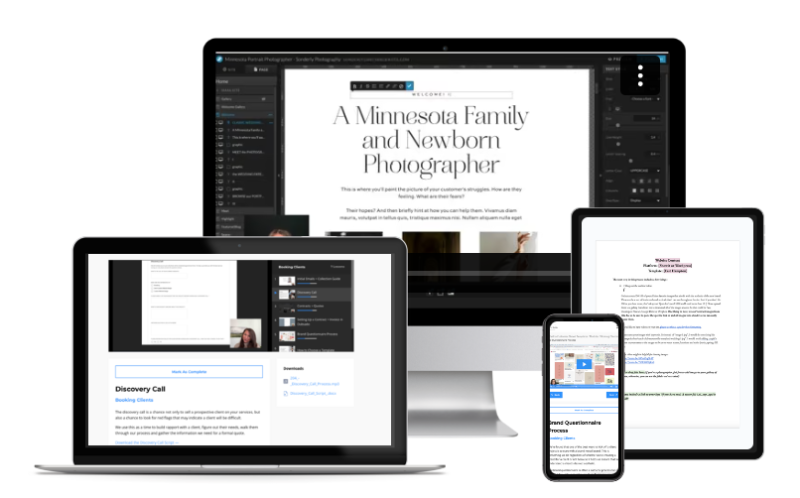
Davey and Krista – How to Become a Website Designer
$997.00 Original price was: $997.00.$45.00Current price is: $45.00.
- 24/7 Contact Support & Telegram - Ecomkevin_1
- You Can Request Any Courses
- Original Courses HD Qualite and links updated
Guaranteed Safe Checkout


Description
Davey and Krista – How to Become a Website Designer: The Complete Guide to Building a Successful Web Design Career
The digital world continues to expand at an incredible pace, creating endless opportunities for talented website designers. Businesses, entrepreneurs, and personal brands all need professional websites to establish credibility, attract customers, and grow online. This increasing demand has made web design one of the most valuable and profitable skills in today’s market.
Davey and Krista – How to Become a Website Designer provides aspiring designers with a practical roadmap for turning creativity into a rewarding career. Whether you’re a complete beginner or someone looking to transition into the web design industry, understanding the foundations of design, development, client management, and business growth is essential for long-term success.
This comprehensive guide explores everything you need to know about becoming a professional website designer, including the skills required, tools to learn, portfolio development, client acquisition strategies, pricing methods, and business growth techniques.
What Does a Website Designer Do?
A website designer is responsible for creating visually appealing, user-friendly, and functional websites. Their role goes beyond making websites look attractive. Successful designers focus on creating experiences that help visitors navigate easily while achieving business goals.
Key responsibilities include:
- Designing website layouts
- Creating visual branding elements
- Improving user experience (UX)
- Enhancing user interface (UI)
- Optimizing websites for mobile devices
- Developing conversion-focused pages
- Collaborating with clients and developers
- Maintaining brand consistency
Modern website designers often work with platforms like WordPress, Showit, Shopify, Squarespace, and Webflow to build customized digital experiences.
Why Web Design Is a High-Income Skill
One of the biggest advantages of becoming a website designer is the growing demand across virtually every industry.
Businesses need websites for:
- Lead generation
- Online sales
- Brand awareness
- Customer support
- Digital marketing
- Content publishing
As more companies move online, skilled designers are becoming increasingly valuable. Freelancers, agencies, and independent consultants can earn substantial income while enjoying flexibility and creative freedom.
Benefits of becoming a website designer include:
- Remote work opportunities
- Flexible schedules
- Unlimited earning potential
- Creative fulfillment
- Recurring client revenue
- High market demand
- Scalable business growth
Essential Skills Every Website Designer Must Learn
To succeed in web design, you need a combination of creative and technical skills.
1. Visual Design Principles
A strong understanding of visual design helps create websites that are attractive and professional.
Important concepts include:
Color Theory
Understanding how colors influence emotions and brand perception.
Typography
Selecting fonts that improve readability and reflect brand identity.
Layout Design
Creating balanced page structures that guide users effectively.
Visual Hierarchy
Directing attention to important content using size, spacing, and contrast.
2. User Experience (UX) Design
User experience focuses on how visitors interact with a website.
UX principles include:
- Easy navigation
- Fast loading pages
- Clear calls-to-action
- Logical page structures
- Mobile responsiveness
- Accessibility considerations
Good UX design increases engagement, conversions, and customer satisfaction.
3. User Interface (UI) Design
UI design focuses on the visual components users interact with.
Examples include:
- Buttons
- Forms
- Menus
- Icons
- Navigation bars
- Interactive elements
Effective UI design creates a seamless browsing experience.
4. Basic HTML and CSS Knowledge
While many platforms offer drag-and-drop functionality, understanding HTML and CSS provides a significant advantage.
Benefits include:
- Greater design flexibility
- Better customization options
- Improved troubleshooting skills
- Enhanced collaboration with developers
Learning coding fundamentals can significantly expand your career opportunities.
Best Platforms for Website Designers
Modern designers have access to powerful platforms that simplify website creation.
WordPress
WordPress powers millions of websites worldwide.
Advantages:
- Highly customizable
- SEO-friendly
- Massive plugin ecosystem
- Suitable for businesses of all sizes
Showit
Many creative entrepreneurs prefer Showit because of its design flexibility.
Benefits include:
- Drag-and-drop design
- Creative freedom
- WordPress blogging integration
- Easy customization
Shopify
Ideal for eCommerce businesses.
Features include:
- Product management
- Secure payments
- Marketing integrations
- Inventory tracking
Squarespace
Popular among small businesses and personal brands.
Advantages:
- Easy setup
- Beautiful templates
- Built-in hosting
- User-friendly interface
Webflow
A favorite among modern designers.
Benefits:
- Professional design flexibility
- Visual development tools
- Clean code generation
- Advanced animations
Building Your First Portfolio
A strong portfolio is often more important than certifications or degrees.
Clients want proof that you can solve problems and create effective websites.
Include Case Studies
Rather than simply displaying screenshots, explain:
- Client goals
- Design challenges
- Solutions implemented
- Final results
Case studies demonstrate strategic thinking.
Create Practice Projects
If you don’t have paying clients yet, create websites for:
- Fictional brands
- Local businesses
- Personal projects
- Nonprofit organizations
These projects help showcase your capabilities.
Highlight Your Process
Potential clients want to understand how you work.
Document:
- Discovery
- Research
- Wireframing
- Design
- Development
- Launch
Showing your process builds trust and credibility.
Finding Your First Web Design Clients
Many beginners struggle with client acquisition. Fortunately, there are numerous ways to land your first projects.
Leverage Your Existing Network
Start with:
- Friends
- Family
- Local businesses
- Professional contacts
Personal referrals often generate the easiest opportunities.
Join Online Communities
Participate in:
- Facebook groups
- LinkedIn communities
- Design forums
- Entrepreneur groups
Providing helpful advice can attract potential clients.
Optimize Your Own Website
Your website should demonstrate your expertise.
Include:
- Portfolio
- Services
- Testimonials
- Contact information
- Educational content
Your website acts as your most important marketing tool.
Use Content Marketing
Publishing valuable content can establish authority.
Examples:
- Design tutorials
- Website audits
- SEO tips
- Branding advice
- Industry insights
Consistent content helps attract organic traffic and leads.
Pricing Your Web Design Services
One of the biggest challenges new designers face is determining pricing.
Avoid competing solely on low prices.
Instead, focus on value.
Common Pricing Models
Fixed Project Pricing
A set fee for the entire project.
Benefits:
- Predictable revenue
- Clear expectations
- Easier project management
Hourly Pricing
Charging based on time spent.
Advantages:
- Flexible scope management
- Suitable for maintenance work
Value-Based Pricing
Pricing according to the business impact your work creates.
Often results in:
- Higher profits
- Better clients
- Increased confidence
Creating an Efficient Design Process
A structured workflow improves client satisfaction and profitability.
Discovery Phase
Understand:
- Business goals
- Target audience
- Brand identity
- Competitor landscape
Strategy Development
Create:
- Site architecture
- User journey maps
- Content strategy
- Conversion plans
Design Phase
Develop:
- Wireframes
- Mockups
- Visual concepts
- Responsive layouts
Development Phase
Build and test the website.
Ensure:
- Mobile compatibility
- Fast loading speeds
- Browser compatibility
- Functionality testing
Launch and Support
After launch:
- Monitor performance
- Fix issues
- Provide training
- Offer maintenance plans
Ongoing support creates recurring revenue opportunities.
Common Mistakes New Website Designers Make
Avoiding common pitfalls can accelerate your success.
Focusing Only on Aesthetics
Beautiful websites are ineffective if they fail to achieve business goals.
Balance design with functionality.
Ignoring SEO
Search engine optimization should be considered during the design process.
Important factors include:
- Site structure
- Mobile responsiveness
- Page speed
- Metadata
- User experience
Underpricing Services
Charging too little often attracts difficult clients and limits growth.
Price according to the value you provide.
Skipping Contracts
Always use written agreements that define:
- Scope of work
- Deliverables
- Timelines
- Payment terms
Contracts protect both parties.
Scaling Your Web Design Business
Once you’ve built a solid client base, growth opportunities become available.
Develop Premium Packages
Bundle services such as:
- Website design
- Branding
- SEO
- Copywriting
- Maintenance
Higher-value packages increase profitability.
Create Recurring Revenue
Offer monthly services including:
- Website maintenance
- SEO optimization
- Content updates
- Analytics reporting
Recurring income creates business stability.
Build a Team
As demand grows, consider hiring:
- Developers
- Copywriters
- SEO specialists
- Virtual assistants
Delegation allows you to focus on growth.
Create Digital Products
Many successful designers diversify income through:
- Website templates
- Design resources
- Online courses
- Coaching programs
Digital products create scalable revenue streams.
The Future of Website Design
Technology continues to evolve rapidly.
Emerging trends include:
- AI-powered design tools
- Interactive experiences
- Personalized content
- Advanced animations
- Voice search optimization
- Accessibility improvements
Designers who continuously learn and adapt will remain highly competitive.
The future belongs to professionals who combine creativity, strategy, technology, and business knowledge.
Final Thoughts
Davey and Krista – How to Become a Website Designer serves as an excellent framework for aspiring designers seeking to build a thriving career in the digital space. Success in web design requires more than artistic talent—it demands strategic thinking, technical knowledge, client communication skills, and a commitment to continuous improvement.
By mastering design fundamentals, building a strong portfolio, developing efficient workflows, and focusing on delivering measurable results for clients, you can transform web design into a highly rewarding and profitable profession. Whether your goal is freelancing, agency ownership, or creating digital products, the opportunities within the web design industry continue to expand, making now an excellent time to start your journey.
Reviews
There are no reviews yet.