
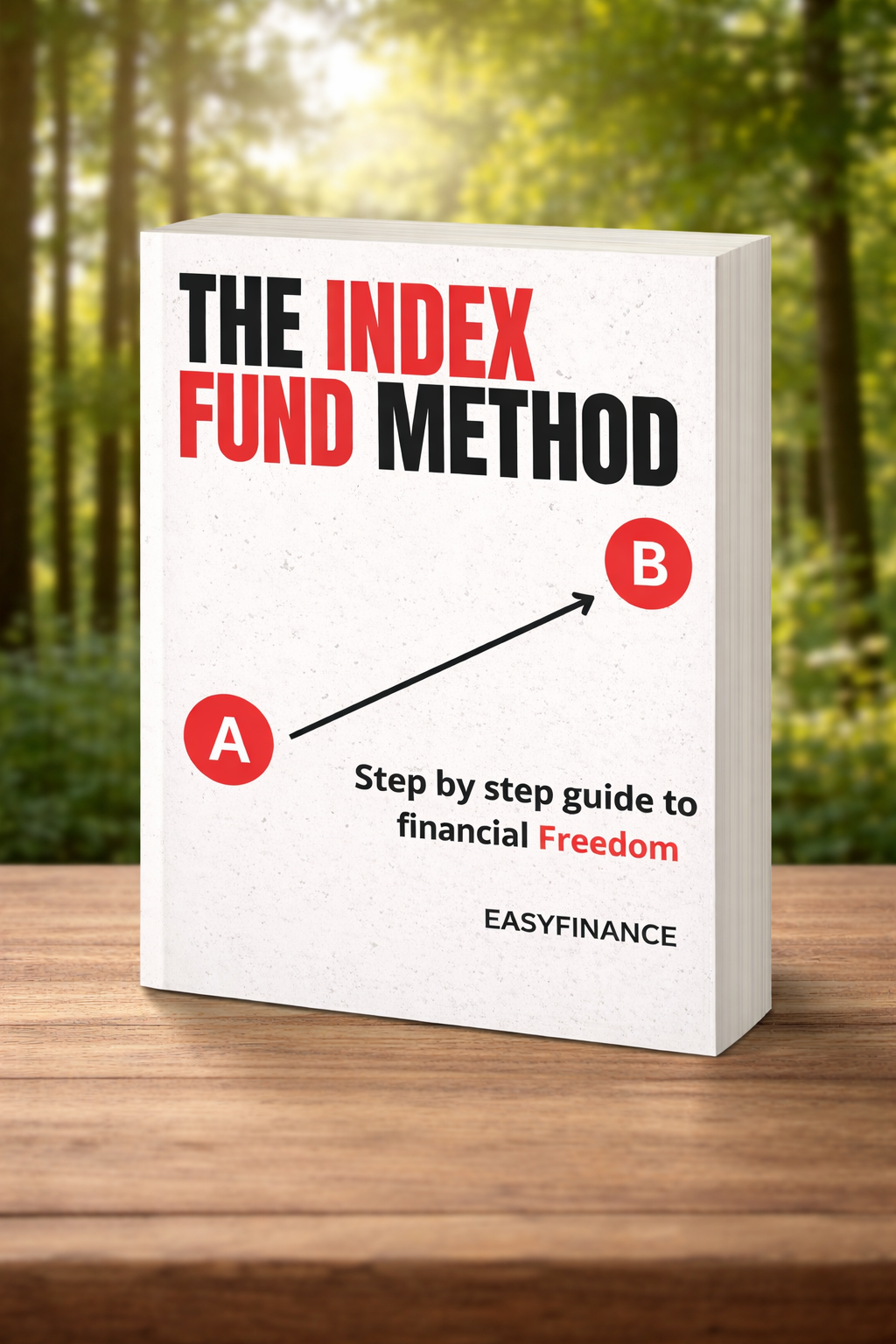
The Index Fund Method – The System for an Automated Exit
$40.00 Original price was: $40.00.$15.00Current price is: $15.00.
- 24/7 Contact Support & Telegram - Ecomkevin_1
- You Can Request Any Courses
- Original Courses HD Qualite and links updated
Guaranteed Safe Checkout


Description
Introduction
In the world of investing, one of the biggest challenges investors face is not just deciding when to enter the market, but more importantly, when to exit. Emotional decisions, market noise, and lack of a structured strategy often lead to poor outcomes. This is where The Index Fund Method – The System for an Automated Exit becomes a powerful approach.
This method is designed to remove emotional bias and create a disciplined, rule-based system that allows investors to systematically exit their investments while maximizing returns and minimizing risks. It blends the simplicity of index investing with the intelligence of automation, making it ideal for both beginners and experienced investors.
What is The Index Fund Method?
The Index Fund Method is a strategy that focuses on investing in broad market index funds while implementing a predefined exit system. Instead of trying to time the market manually, this method relies on rules, triggers, and automation to determine when to reduce or exit positions.
The goal is simple:
- Capture long-term market growth
- Avoid major downturns
- Eliminate emotional decision-making
This approach is especially effective because index funds naturally diversify risk, while the automated exit system protects gains.
Why an Automated Exit Strategy is Important
Most investors focus heavily on buying the right asset but ignore exit planning. This leads to common mistakes such as:
- Holding investments too long during market crashes
- Selling too early due to fear
- Reacting to short-term volatility
- Lack of consistency in decision-making
An automated exit system solves these problems by introducing discipline and removing guesswork. It ensures that your decisions are based on logic rather than emotions.
Core Principles of The Index Fund Method
1. Passive Investing with Active Protection
The method starts with passive investing in index funds. These funds track the overall market and provide steady long-term growth. However, unlike traditional passive investing, this method adds an active layer of protection through exit rules.
2. Rule-Based Decision Making
The entire system operates on predefined rules such as:
- Percentage-based decline triggers
- Moving average signals
- Time-based exits
- Portfolio rebalancing thresholds
These rules ensure that decisions are consistent and unbiased.
3. Risk Management First
The method prioritizes capital protection over aggressive returns. By exiting during unfavorable conditions, it reduces the impact of market crashes and preserves wealth.
4. Automation Over Emotion
Automation is the backbone of this strategy. Whether through brokerage tools or manual rules followed strictly, the system eliminates emotional interference.
How The Automated Exit System Works
Step 1: Invest in Index Funds
Start by allocating your capital into diversified index funds. These could track:
- Broad market indices
- Sector-specific indices
- Global markets
Diversification ensures that your portfolio is not dependent on a single stock or sector.
Step 2: Define Exit Triggers
This is the most critical part of the system. Exit triggers can include:
a) Percentage Drop Rule
Exit partially or fully when the fund drops by a certain percentage (e.g., 10%–15%).
b) Moving Average Rule
Exit when the price falls below a key moving average (e.g., 50-day or 200-day).
c) Profit Booking Rule
Sell a portion when a target return is achieved (e.g., 20% gain).
d) Time-Based Rule
Exit after a specific holding period if goals are met.
Step 3: Partial Exit Strategy
Instead of exiting completely at once, the system often uses a staggered exit approach:
- Sell 25% at first trigger
- Sell another 25% at second trigger
- Continue until full exit
This reduces risk while allowing some exposure to potential upside.
Step 4: Re-entry Rules
A complete system also defines when to re-enter the market. Common re-entry signals include:
- Market recovery above moving averages
- New highs formation
- Improved economic indicators
This ensures you don’t stay out of the market for too long.
Benefits of The Index Fund Method
1. Eliminates Emotional Investing
Fear and greed are the biggest enemies of investors. This method removes both by relying on rules.
2. Protects Against Major Losses
By exiting during downturns, the system helps avoid large drawdowns that can take years to recover.
3. Simplifies Investing
No need to analyze individual stocks. Index funds and predefined rules do most of the work.
4. Consistent and Repeatable
Because the method is rule-based, it can be applied consistently across different market cycles.
5. Suitable for All Investors
Whether you are a beginner or experienced, this method is easy to understand and implement.
Common Mistakes to Avoid
1. Ignoring the Rules
The biggest mistake is abandoning the system during emotional moments. Consistency is key.
2. Over-Optimizing Triggers
Trying to create the “perfect” exit rule often leads to complexity. Keep it simple and practical.
3. Frequent Changes
Changing rules frequently defeats the purpose of automation. Stick to a tested strategy.
4. Lack of Patience
This is a long-term method. Short-term expectations can lead to disappointment.
Who Should Use This Method?
The Index Fund Method is ideal for:
- Long-term investors
- Working professionals with limited time
- Beginners who want a structured approach
- Investors who struggle with emotional decisions
- Anyone looking for a disciplined exit strategy
Real-World Example
Imagine you invest ₹1,00,000 in an index fund.
- The market rises by 20% → You book partial profits
- The market drops by 10% → You exit a portion
- The market falls further → You exit more
- The market stabilizes and rises again → You re-enter
Over time, this approach helps you capture gains while avoiding deep losses.
Tools to Implement the Strategy
You can use:
- Brokerage platforms with stop-loss features
- Portfolio tracking apps
- Excel or Google Sheets for manual tracking
- Automated investment platforms
The key is to ensure that your rules are clearly defined and followed.
Advanced Enhancements
Once you are comfortable, you can enhance the system by:
- Combining multiple indicators
- Using trailing stop-loss strategies
- Adding asset allocation rules
- Including global diversification
However, always ensure that complexity does not reduce clarity.
Final Thoughts
The Index Fund Method – The System for an Automated Exit is not about predicting the market—it’s about preparing for it. By combining the power of index investing with a disciplined exit strategy, this method creates a balanced approach that focuses on both growth and protection.
In a world where markets are unpredictable and emotions run high, having a structured system gives you a significant edge. It allows you to stay consistent, reduce stress, and make smarter financial decisions over time.
If you are serious about building long-term wealth while minimizing risk, this method can be a game-changer.
Reviews
There are no reviews yet.